Video Podcast Lighting and Set Design in 2026: How to Make Your Show Look Professional

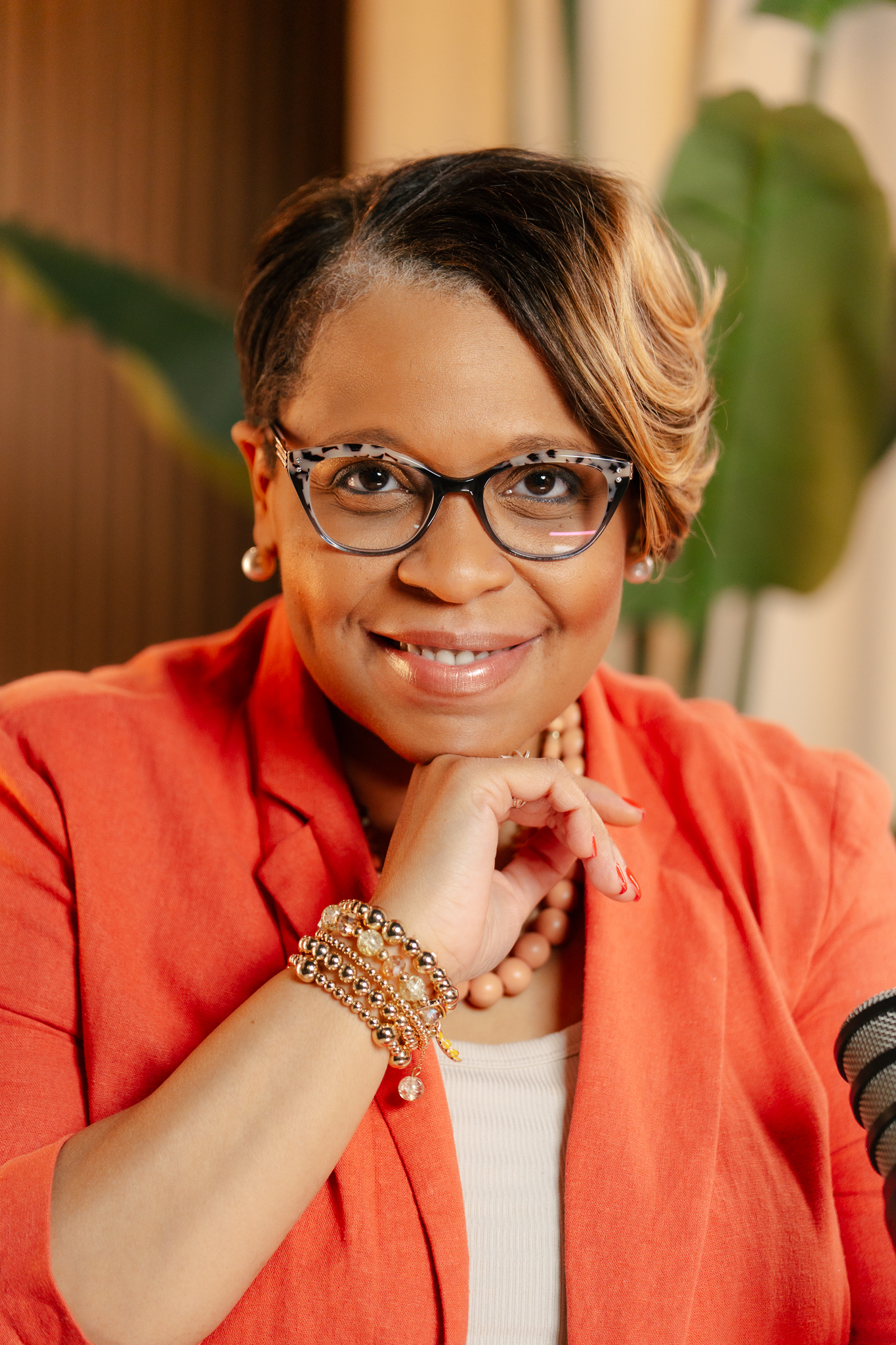
If you're planning a video podcast, the first thing viewers notice isn't your audio or your guest list. It's how the frame looks. Video podcast lighting and set design now decide whether someone watches past the first ten seconds on YouTube, Spotify, or a clip on their phone. With video becoming the default way business podcasts get discovered, a polished set is no longer a luxury. It's part of your credibility.
Here's what actually matters when designing a set, and where a professional podcast studio saves you from expensive trial and error.
Why Video Podcast Lighting Matters More Than Your Camera
A mid-range camera with good light beats a cinema camera with bad light every time. Lighting controls skin tone, depth, mood, and how "expensive" your show feels. Most home setups fail here: a window on one side, an overhead bulb on the other, and a laptop webcam in the middle.
The three-point foundation
Nearly every professional interview set starts with the same structure:
- Key light: your main, softest source, placed slightly off-axis from the camera and just above eye level.
- Fill light: a gentler source on the opposite side that softens shadows without flattening the face.
- Backlight (hair or rim light): a subtle edge light behind each person that separates them from the background.
Soft, diffused light flatters nearly everyone. Hard, direct light exaggerates every line and reflection, especially on glasses and bald heads.
Color temperature consistency
Mixing daylight, warm bulbs, and LED panels is the quickest way to get skin that looks orange on one side and blue on the other. A professional podcast studio locks every fixture to the same color temperature and blocks outside light, so episodes recorded months apart still match.
Set Design: Make Your Background Work for the Brand
Your background is a silent introduction. It should say who you are before anyone speaks, without competing for attention.
Depth beats decoration
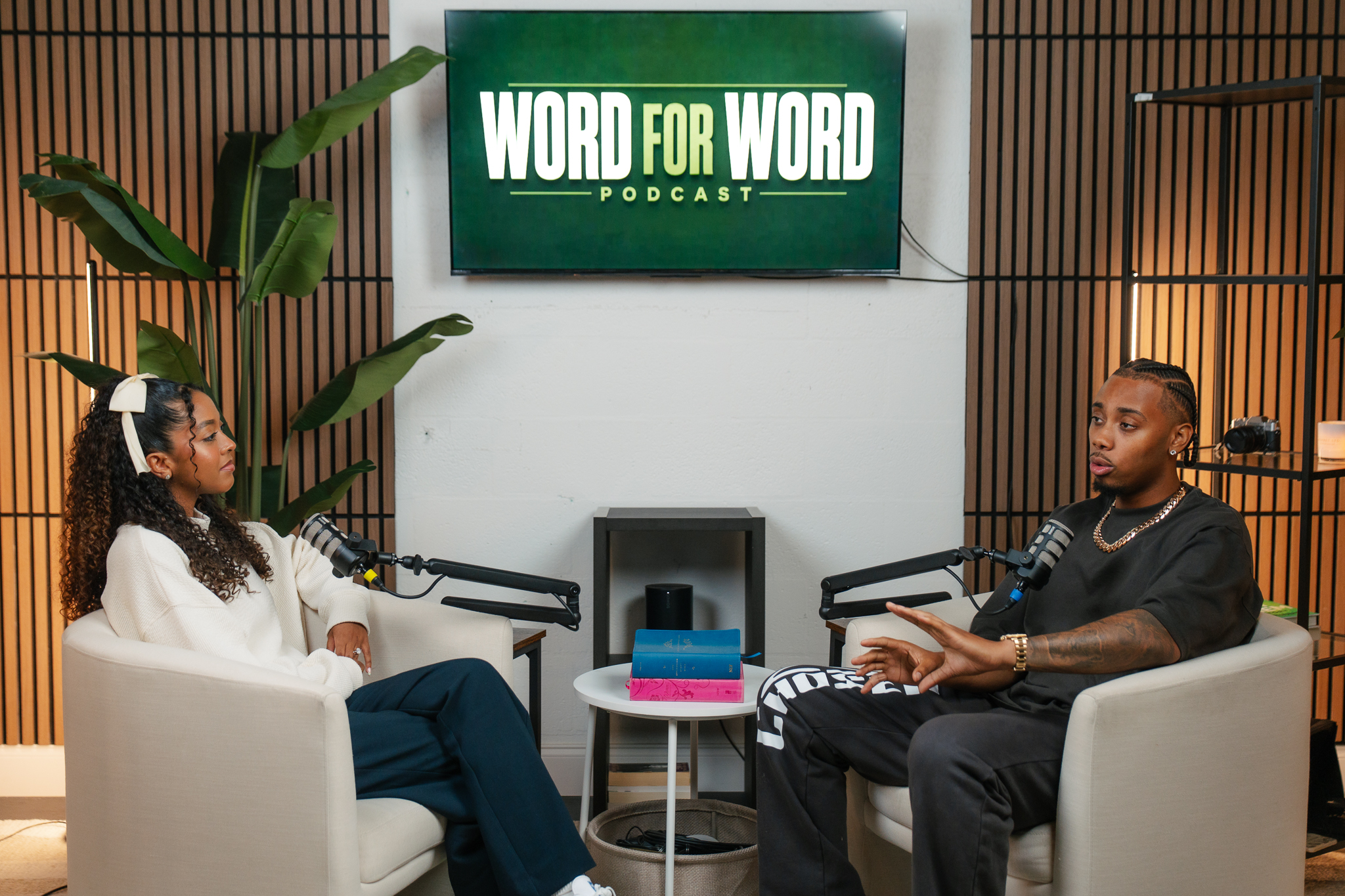
Place guests several feet in front of the back wall rather than against it. That distance, combined with a softly lit background, creates natural separation and a cinematic look. Then layer in a few intentional elements: practical lamps, shelving, textured panels, or a branded wall.
Design for the vertical crop
Your episode will be cut into vertical clips for Shorts, Reels, and TikTok. Anything important to your set, like a logo or neon sign, needs to sit inside the center-safe zone. Otherwise it disappears in a 9:16 crop. This is one of the most overlooked details in video podcast studio planning.
Keep it uncluttered
Busy backgrounds, glossy surfaces, and bright windows pull the eye away from the conversation. Matte finishes and a restrained color palette keep the focus on the people talking.
Common Lighting and Set Mistakes to Avoid
- Placing lights directly behind the camera, which flattens faces and removes depth.
- Relying on natural window light, which shifts through the day and ruins consistency.
- Letting guests sit against a bare wall with no separation.
- Ignoring reflections from glasses, glossy tables, and microphones.
- Skipping a test recording before the guest arrives.
Building It Yourself vs. Using a Professional Studio
You can assemble a decent setup at home with a couple of softboxes, a backdrop, and patience. Expect to spend real time tuning it, and expect it to drift every time furniture moves or the sun changes. For solo creators testing an idea, that's a fine place to start.
For business owners using a podcast to win clients, the math usually changes. A purpose-built set gives you repeatable lighting, acoustic control, multi-camera angles, and a design you don't have to rebuild every episode. If you're searching for a podcast studio in West Palm Beach or a recording studio near me in South Florida, ask to see sample footage from the actual set, not just the gear list. The image on screen is the real test.
What to Ask Before You Book
When comparing studios, a few questions reveal quickly whether the set is built for video:
- Is the lighting fixed and color-matched, or adjusted by hand each session?
- Can I see unedited footage from a recent shoot?
- Can the set be customized with my branding?
- Will the framing work for both widescreen and vertical clips?
Final Thoughts
Great lighting and thoughtful set design make every other part of your show work harder: better thumbnails, better clips, and a stronger first impression with the prospects you most want to reach. Get the frame right once, and every episode benefits.
Curious how your show would look on a professionally lit set? Get in touch with Clearview Studio to talk through your project and tour our space.


CLEARVIEW
Studio

