Podcast Advertising in 2026: What Dynamic Ad Insertion Means for Your Show's Revenue

Podcast advertising crossed a major threshold in 2026: dynamic ad insertion (DAI) now accounts for the vast majority of podcast ad revenue, and worldwide podcast advertising spend is on pace to top $5 billion. If you host a business podcast — or you're weighing whether to launch one — this shift changes how sponsors evaluate your show, and it raises the bar on what "sponsor-ready" actually means.
What Dynamic Ad Insertion Is Doing to the Podcast Ad Market
Dynamic ad insertion lets advertisers drop fresh, geo- and behavior-targeted ads into any episode the moment someone presses play — including episodes published years ago. That turns a show's entire back catalog into live, sellable inventory instead of a one-time placement. It's why DAI now covers the large majority of podcast ad revenue, up sharply from just a few years ago, and why AI-assisted ad placement (matching ads to transcripts and audience data in real time) has become standard at the major hosting platforms.
For creators, the upside is real: more of your archive can generate revenue, and targeting means advertisers are willing to pay for it. The catch is that DAI has also made the market more competitive and more data-driven. Sponsors aren't just buying a slot anymore — they're buying performance.
The CPM Gap Between Host-Read and Programmatic Ads
Here's the number that matters most for anyone recording a professional podcast studio setup versus a laptop and a USB mic: host-read ads consistently outperform programmatic drop-ins on recall, with some measurements showing roughly double the ad recall of automated placements. Advertisers know this. Business and news-category shows are commanding some of the highest CPMs in the market precisely because those hosts read ads live, in their own voice, with production polish that makes the pitch feel native to the episode instead of bolted on.
In other words, DAI is expanding how much inventory can be sold, but it hasn't changed who gets paid the most per listener. That's still decided by trust, delivery, and audio-video quality.
Why Studio Quality Still Decides Who Wins the Sponsor Conversation
A sponsor evaluating your show today is looking at more than downloads. They're listening to how clean the audio is, whether the video cuts are usable for their own social promotion, and whether your host-read ad sounds like a recommendation instead of a script. Shows recorded in a home setup with inconsistent levels or blown-out video lighting struggle to compete for the premium end of the CPM range, even with a loyal audience, because the ad itself doesn't land the way it should.
How a Dedicated Recording Space Protects Your Ad Revenue
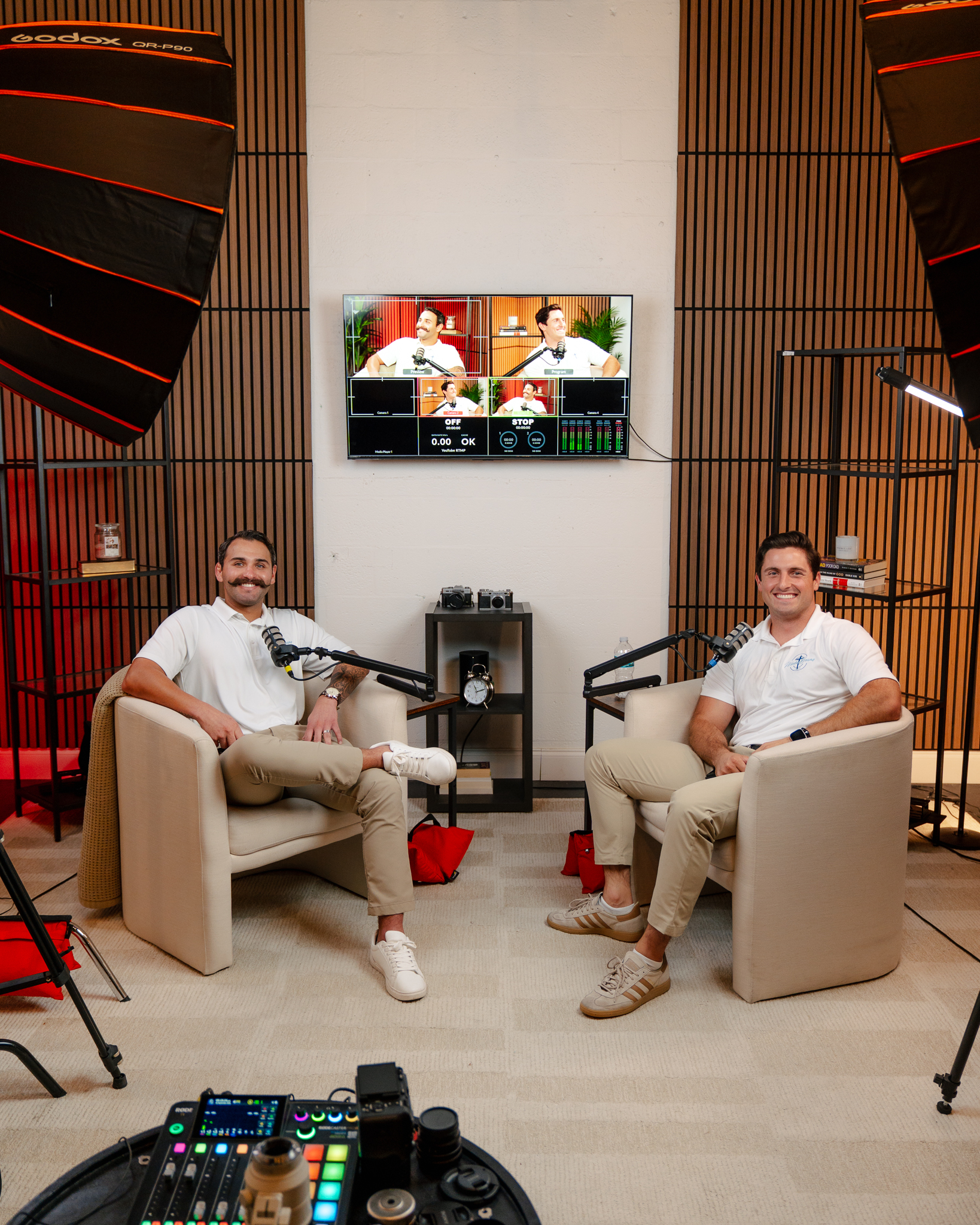
This is where working out of a podcast studio West Palm Beach creators already trust makes a measurable difference. A proper video podcast studio gives you:
- Broadcast-grade audio so host-read ads sound intentional and trustworthy rather than tacked on at the end of a rough recording.
- Multi-camera video that produces clean, sponsor-tagged clips advertisers can reuse across their own channels — a growing ask in 2026 sponsorship deals.
- Consistent production value episode to episode, which matters to advertisers buying DAI inventory across your entire back catalog, not just new releases.
If you've been searching "recording studio near me" because your current setup is capping what you can charge sponsors, that search is really about revenue, not just gear.
Getting Your Show Ready for a DAI-First Market
A few practical steps for South Florida podcast hosts looking to capture more of this ad spend in the months ahead:
- Keep your audio and video quality consistent enough that older episodes remain attractive DAI inventory, not just your newest releases.
- Lean into host-read ad segments where possible — the recall advantage over automated placements is too large to ignore.
- Package your show with clear category, audience, and quality signals; DAI platforms and media buyers reward shows that are easy to target with confidence.
The advertising market is getting bigger and more automated at the same time. The shows that win aren't the ones with the most inventory — they're the ones sponsors trust enough to pay a premium for.
If you're a South Florida podcast host or business ready to record in a space built for sponsor-grade audio and video, get in touch with our team to talk through what a session at our studio looks like.
Related Articles


CLEARVIEW
Studio

