B2B Podcast Networks in 2026: Why Smart Companies Are Launching Multiple Niche Shows Instead of One

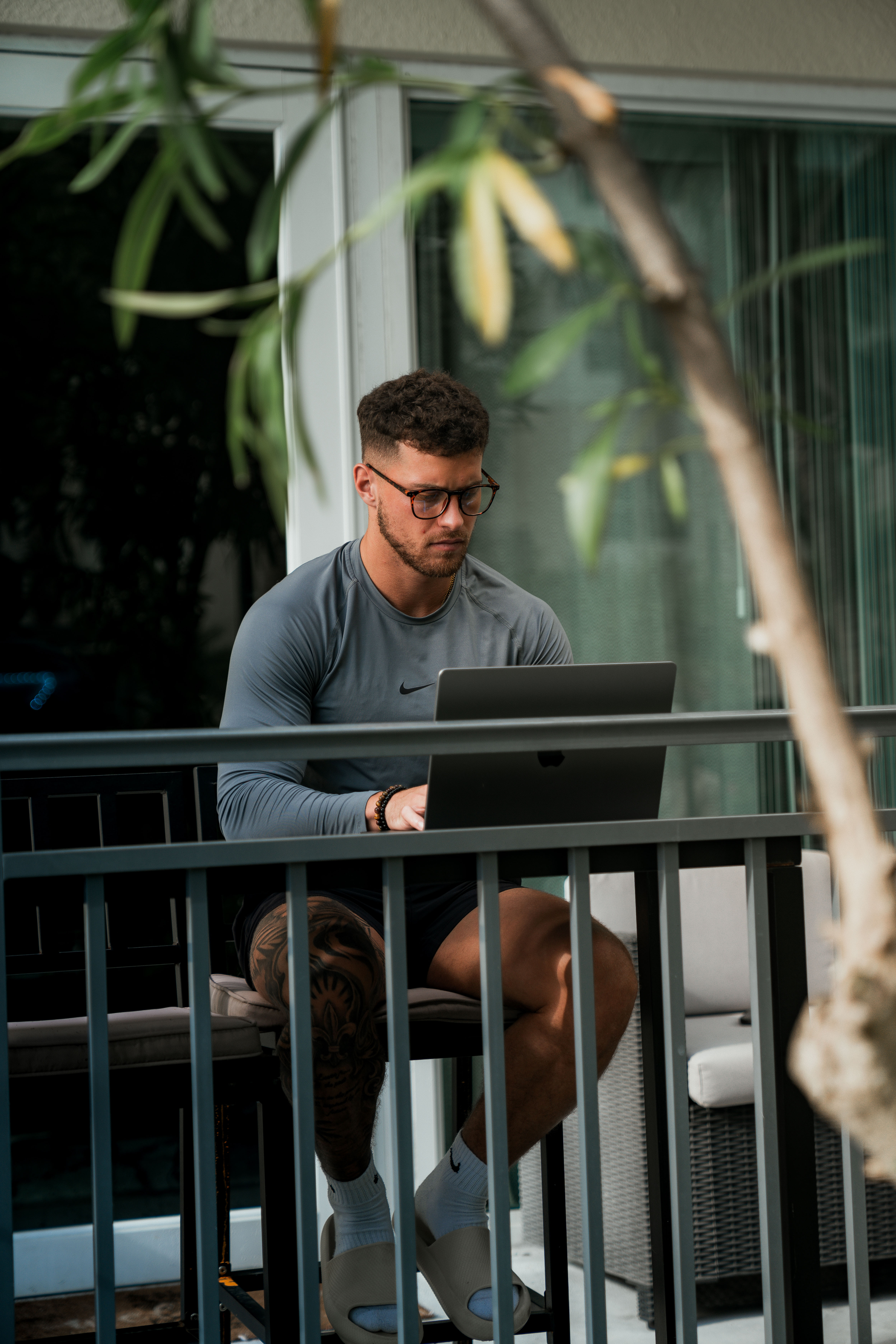
Most B2B companies still think of podcasting as a single-show project: pick a name, book guests, publish weekly. In 2026, the companies pulling ahead are doing something different — launching a B2B podcast network, a small family of shows aimed at different buying roles inside the same target account, instead of betting everything on one broad feed. For business owners weighing whether a professional podcast studio is worth the investment, a multi-show strategy changes the math in a way worth understanding before you record episode one.
Why One Show Can't Reach Every Buyer
A typical B2B sale involves several people with different priorities: a finance lead worried about ROI, an operations manager worried about implementation, an executive worried about risk. A single podcast, no matter how well produced, ends up speaking to none of them precisely. Episodes either stay generic enough to avoid alienating any one persona, or they swing between topics so widely that no single listener feels like the show was built for them.
A network approach solves that by splitting the content instead of diluting it. Each show goes deep on one persona's actual questions, which is exactly the kind of specificity that keeps a niche audience listening — and keeps them further down the funnel by the time they hear a call to action.
Smaller Audiences, Higher Intent
The instinct in podcasting has always been to chase the biggest possible audience. A network strategy runs in the opposite direction on purpose. A show built for "operations directors at mid-market logistics companies" will never out-download a general business podcast, but the listeners it does have are almost all qualified. For a company using podcasting to fill a sales calendar rather than build a media brand, a smaller room full of the right people beats a packed room full of the wrong ones.
What a B2B Podcast Network Actually Looks Like
Most companies don't start with three or four shows on day one. The pattern that tends to work is sequential: prove the format with one flagship show, then spin off a second feed once a distinct persona or use case becomes obvious. Common network structures include:
- A flagship thought-leadership show hosted by a founder or executive, aimed at decision-makers and referral partners.
- A practitioner-focused feed aimed at the people who'll actually use the product day to day, covering implementation and tactics.
- A customer-story show built entirely around case studies and client interviews, aimed at prospects doing late-stage research.
Each feed can share a production day, a set, and a crew — the split happens in content and audience targeting, not in overhead.
The Production Reality of Running Multiple Shows
Running two or three feeds instead of one sounds like double or triple the work, and it can be if every show requires its own setup, editing pipeline, and recording day. Companies that make a network sustainable batch production instead: recording several episodes across multiple shows in a single studio day, with consistent branding, lighting, and camera setups reused across every feed.
Why Studio Quality Matters More at Scale
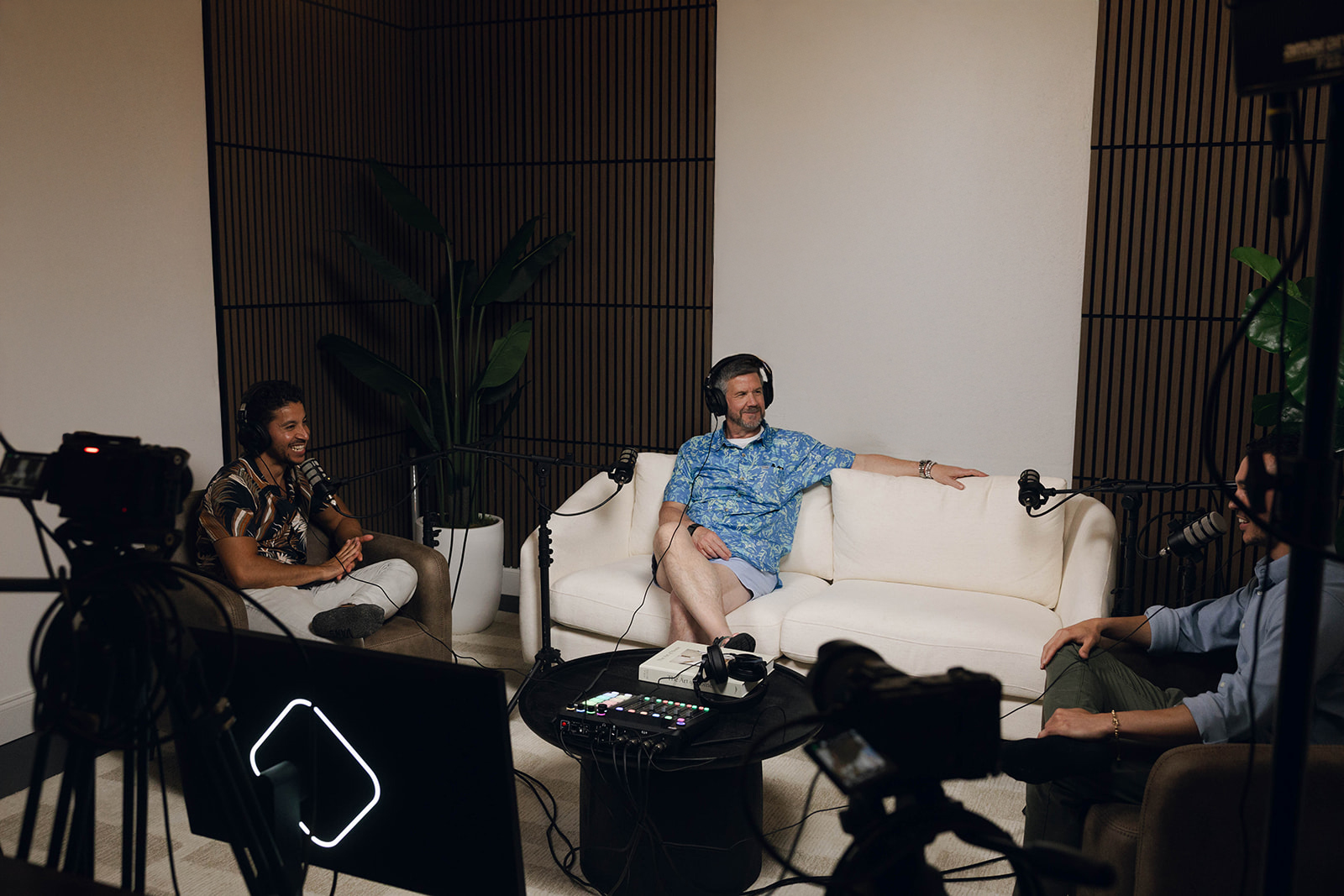
This is where a video podcast studio earns its cost back several times over. A home setup that's marginal for one show becomes a real liability across three, because inconsistent lighting or audio quality on even one feed undercuts the credibility of the whole network. Recording every show in the same professional podcast studio keeps the visual and audio quality identical across personas, so a practitioner-focused feed looks just as credible as the executive flagship show sitting next to it in a prospect's podcast app.
It also solves the scheduling problem. Instead of coordinating separate shoot days for each show, most networks batch-record a full slate — several episodes of the flagship show, several of the practitioner feed — in one extended session, which is far easier to pull off with a studio built for fast turnarounds between setups than with a rotating cast of borrowed conference rooms.
Getting Started Without Overextending
A network doesn't need to launch fully formed. The companies that build one successfully tend to follow a simple sequence:
- Prove the format first. Get one show consistent and performing before adding a second feed.
- Pick the second persona deliberately. Choose the buying role most often stuck in your sales cycle, not just whichever idea sounds interesting.
- Standardize the production, not the content. Keep the studio, crew, and visual identity consistent so every show reads as part of the same credible network.
For companies in West Palm Beach and across South Florida, this is far more achievable than it sounds. A podcast studio West Palm Beach teams already book for their flagship show can usually absorb a second or third feed without adding meaningfully to the production budget — the crew, lighting, and set are already dialed in. If you've been searching recording studio near me for a single show, it's worth asking the same studio what a multi-show day would look like before you assume a network is out of reach.
As a South Florida podcast production partner, Clearview Studio works with companies at every stage of this build-out, from a first flagship episode to a full multi-show slate recorded in a single day. If you're weighing whether a podcast network fits your sales strategy, get in touch with our team to talk through what a pilot second show could look like.
Related Articles

(1).jpeg)

CLEARVIEW
Studio

