Video Podcast Audio Quality in 2026: Why Viewers Forgive Bad Video but Never Bad Sound

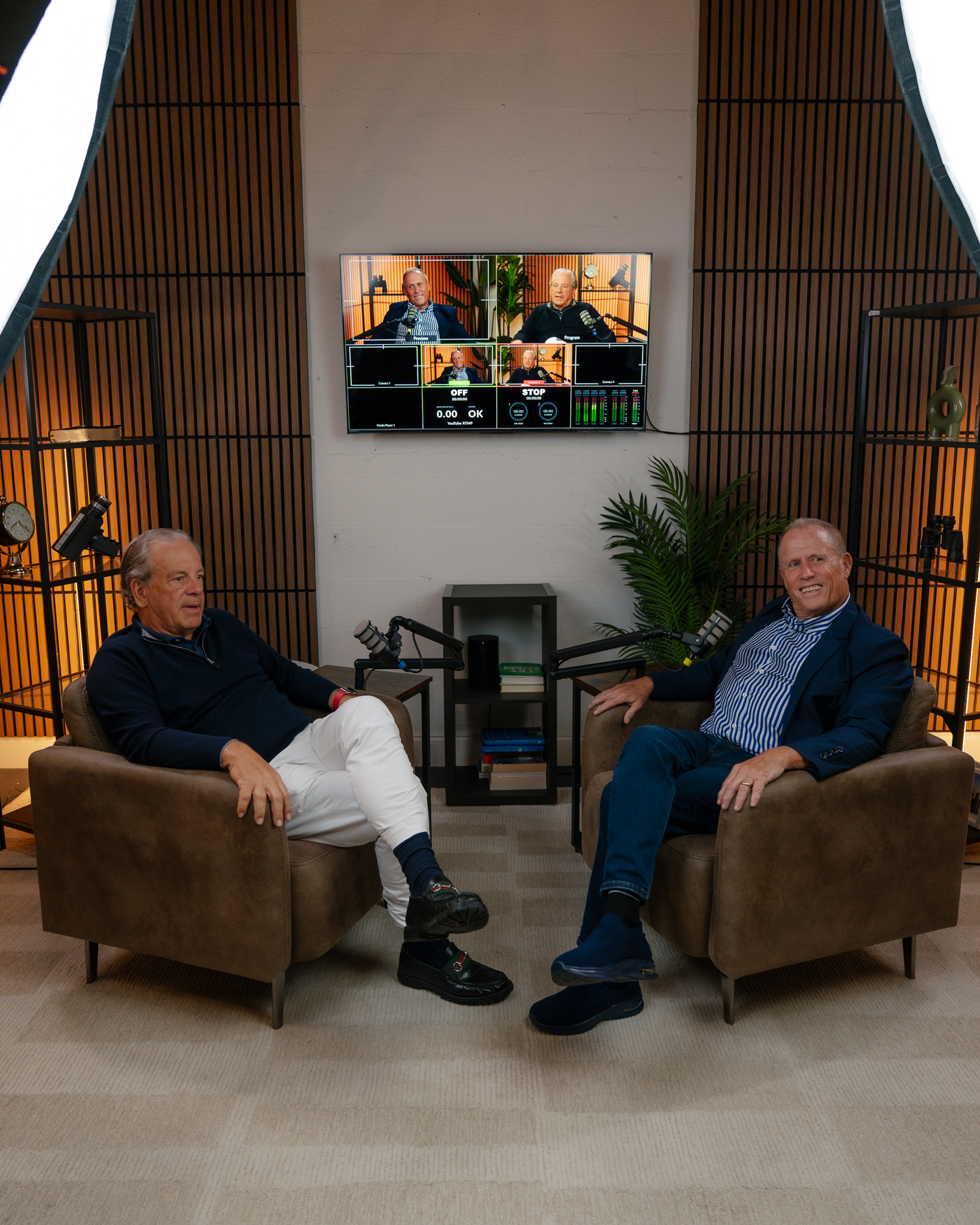
Video podcasts are now the default way many business shows get discovered, which has led a lot of creators to pour their budget into cameras and lighting. But when it comes to video podcast audio quality, the rule hasn't changed: viewers will tolerate a soft image or a plain background, but they leave quickly when the sound is thin, echoey, or uneven. If you're investing in a video podcast, audio is where the first dollar should go.
Why Audio Still Decides Whether Viewers Stay
A large share of podcast consumption is still passive. People play episodes while commuting, working, or exercising, with the screen off or in another window. Even on YouTube, many viewers are half-watching. In those moments, audio carries the entire experience. A guest who sounds distant or a host who clips on loud words creates listening fatigue, and fatigue ends sessions.
Audio quality also shapes perceived authority. A business owner who sounds clear and confident reads as credible before they say anything substantive. Muddy sound does the opposite, no matter how good the advice is.
The Five Audio Problems That Hurt Video Podcasts Most
- Room echo: Hard walls and glass reflect sound back into the microphone. It is the most common reason home recordings sound amateur, and it is very hard to fix in editing.
- Inconsistent mic distance: Guests lean in and out, so volume swings through the episode.
- Background noise: Air conditioning, traffic, refrigerators, and keyboard clicks all compete with the voice.
- Poor mic choice: Laptop and webcam microphones capture the whole room instead of the speaker.
- Mismatched tracks: When each person is recorded on a different device, levels and tone never quite match.
What a Professional Podcast Studio Does Differently
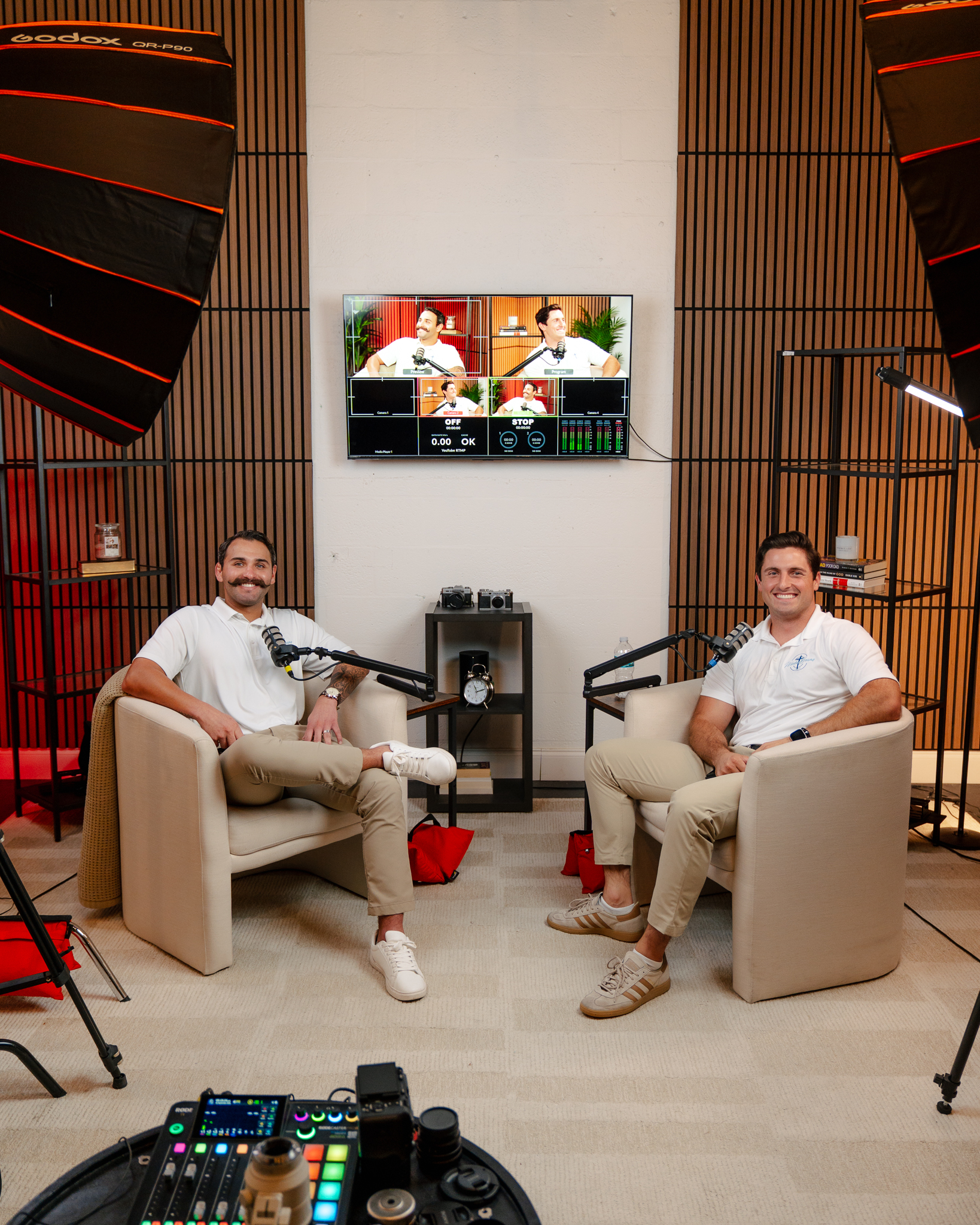
A professional podcast studio solves most of these problems before recording begins. Acoustic treatment controls reflections, so voices sound close and natural rather than roomy. Broadcast-grade dynamic microphones sit at consistent distances on boom arms, which keeps levels steady. Each speaker is recorded on a separate track, giving the editor full control to balance voices, reduce noise, and fix a single mistake without touching anyone else's audio.
This is a big part of why a podcast studio in West Palm Beach or any serious video podcast studio can produce a finished episode faster than a home setup. Clean source audio means less repair work and more time spent on the content itself.
Audio and Video Need to Be Planned Together
In a video podcast, microphones are in the frame. The best studios treat that as a design problem: low-profile booms, tidy cable routing, and mic placement that never blocks a face. The goal is for the gear to look intentional while the audio stays pristine. If you've been wondering why many home video podcasts look and sound slightly off, it's usually because the microphone placement was a compromise between what looks good and what sounds good.
How to Improve Your Audio Before Your Next Recording
Whether you record at home or book a recording studio near me search result, these steps make a noticeable difference:
- Record in a small, soft room. Carpet, curtains, and bookshelves absorb sound. Bare walls and large windows do not.
- Use a dedicated microphone, positioned about a fist's width from the mouth and slightly off-axis to soften harsh consonants.
- Wear headphones so nobody hears their own voice bounce back through speakers.
- Record a short test and listen on earbuds and laptop speakers, not just studio headphones.
- Turn off fans, appliances, and notifications, and record guests locally rather than over a video call whenever possible.
Remote Guests: The Hardest Audio Challenge
Remote interviews introduce compression, lag, and uneven guest equipment. If remote guests are central to your show, ask them to use a wired headset or USB microphone and a quiet room, and record each side locally if your platform allows it. When a guest is local, bringing them into the studio removes nearly all of these variables, which is one reason many South Florida podcast hosts invite their best guests in person.
Audio Is Also an Investment in Discoverability
Clean audio produces more accurate automatic transcripts, better clips for social media, and fewer edits per episode. Since transcripts and short clips feed both search and AI answer engines, good sound quietly improves everything downstream of the recording. It is the rare production upgrade that helps every distribution channel at once.
Ready to Hear the Difference?
If your current setup is holding your show back, the fastest way to find out is to record in a space built for it. Get in touch with Clearview Studio to talk through your show, tour the studio, and plan a session that makes your audio and video both look and sound like the business behind them.
Related Articles


CLEARVIEW
Studio

