Interactive Podcasts in 2026: Why Real-Time Audience Engagement Is the Next Growth Lever

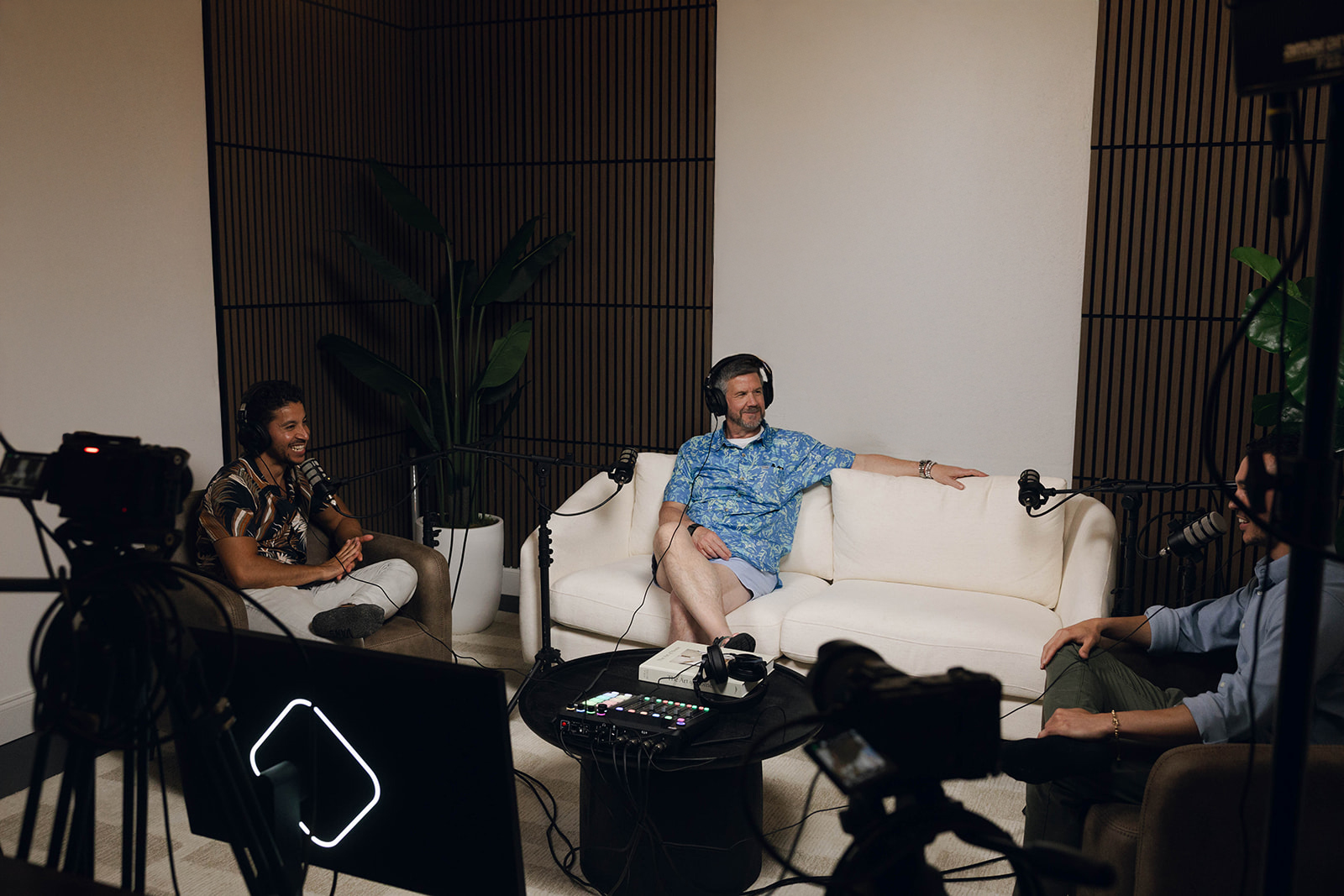
Podcast listeners in 2026 don't just want to hit play anymore — they want to shape what happens next. Interactive podcasts, built around live polls, real-time Q&A, and studio audiences, are becoming one of the fastest ways for hosts to deepen trust and turn casual listeners into warm leads. For business owners running a South Florida podcast, this shift is a genuine opportunity: interactivity is still rare enough that adopting it early sets a show apart from the flood of passive, one-way content already crowding every feed.
Why Listeners Now Expect to Participate, Not Just Listen
Podcasting has quietly moved from a broadcast medium toward a conversational one. Live word clouds, up-votable Q&A boards, and in-episode polls are showing up on more shows, and the data backs up why: podcasts that build in listener engagement are seeing meaningfully higher retention than shows that treat their audience as a passive feed of downloads. Live podcast events have also grown sharply, as creators look for ways to bring listeners into the room — literally or virtually — instead of simply talking at them.
From Passive Downloads to Active Communities
The shows pulling ahead in 2026 are pairing episodes with a place for listeners to keep talking: a private community, a group chat, or simply a habit of pulling listener questions directly into the next recording. That loop matters more than any single episode. When someone submits a question and hears it answered on air, they stop being a listener and start being a participant — and participants are far more likely to reach out, refer a friend, or book a call than someone who scrolled past a feed once and moved on.
What Interactive Podcasting Actually Looks Like in Practice
None of this requires complicated technology. The most effective interactive formats are simple to run and easy for a host to manage without breaking the flow of conversation:
- Live Q&A segments where listener-submitted questions get answered on the show, credited by name.
- In-episode polls that let an audience vote on a topic, a prediction, or a guest's answer in real time.
- Small studio audiences for milestone or panel episodes, giving guests and hosts real reactions to play off of.
- Listener-driven topics, where upcoming episode subjects are chosen from audience submissions instead of decided in a vacuum.
Why This Matters for Business Podcasts Chasing Leads
For a company using its show as a pipeline tool, interactivity does something a polished monologue can't: it surfaces exactly who's paying attention. Someone who submits a question or votes in a poll has self-identified as an engaged prospect, not just a passive download. That's a warmer, more qualified signal than any download count, and it gives a sales team a natural, low-pressure reason to follow up — referencing the actual question someone asked is a far better opener than a cold outreach message.
Building Interactive Segments Into Your Recording Day
Interactive formats put more demands on a recording setup than a standard two-mic interview. Cutting to a guest's reaction during a live poll, capturing a small studio audience without wrecking the audio, or running a Q&A segment smoothly all require more camera angles and cleaner isolated audio than a single-room home setup can usually deliver. This is where recording in a professional podcast studio pays off: multiple camera angles to cut between, isolated audio per speaker so a poll or crowd reaction doesn't bleed into the host's track, and a producer in the room to keep segments moving without dead air.
What to Look for in a Studio That Supports Interactivity
If you're searching for a recording studio near me to try an interactive format, ask specifically whether the space can handle it. A true video podcast studio should offer room for a handful of guests or a small live audience, multiple camera angles that can capture reactions in real time, and multi-track audio that keeps individual voices clean even when more than two people are talking. A podcast studio West Palm Beach businesses already trust for weekly recordings should be able to scale up to this kind of session without you needing to bring in extra gear or crew.
The Bottom Line
Interactive podcasting isn't a gimmick — it's a direct response to what listeners are already telling creators they want: a seat at the table, not just a feed to scroll through. Shows that build in live Q&A, polls, and the occasional studio audience are turning casual listeners into engaged participants, and engaged participants are the ones who eventually pick up the phone.
Ready to try an interactive format on your next episode? Book a session at Clearview Studio and let's build a recording day set up for real audience participation.
Related Articles





CLEARVIEW
Studio

