Podcast Launch Checklist 2026: How to Start a Business Podcast the Right Way

Most business podcasts don't fail because the idea was bad. They fail because the founder recorded episode one, published it three weeks later than planned, and burned out before episode five. A podcast launch checklist fixes that by turning "I should start a podcast" into a repeatable process with a real release date attached to it.
If you're planning to start a business podcast in 2026, here's the sequence that actually works, from pre-launch recording through the first 30 days after you go live.
Why Most Podcast Launches Fail Before Episode One
The biggest mistake founders make is launching with a single episode and hoping momentum builds from there. It doesn't. Listeners judge a new show by whether there's enough content to justify subscribing, and a feed with one episode reads as an experiment, not a show.
Record Three to Five Episodes Before You Launch
Give new listeners something to binge. Recording a small batch before launch day also protects you from the single biggest cause of podcast abandonment: burnout after episode two, once the "new project" energy wears off. If the first five episodes already exist, you're publishing on a schedule instead of scrambling to make one.
Build an Audience Before You Need One
Start collecting emails, teasing clips, and lining up your first few guests at least a month before launch. A short trailer episode, posted two to three weeks ahead of the full launch, gives search engines and podcast directories something to index early and gives your existing audience a reason to hit follow before there's anything else to listen to.
The Pre-Launch Checklist Most Guides Skip
Beyond content, there's a technical and strategic checklist that determines whether your show is discoverable and credible from day one:
- Cover art, show description, and category optimized for the keywords your ideal guest or client would actually search
- RSS distribution confirmed across Spotify, Apple Podcasts, and YouTube before the first public episode drops
- A dedicated video version of every episode, since more than half of weekly podcast consumers now watch rather than just listen
- A landing page or blog post per episode so each conversation is indexable by Google and AI search tools, not locked inside an audio player
Studio Quality Sets the Tone From Day One
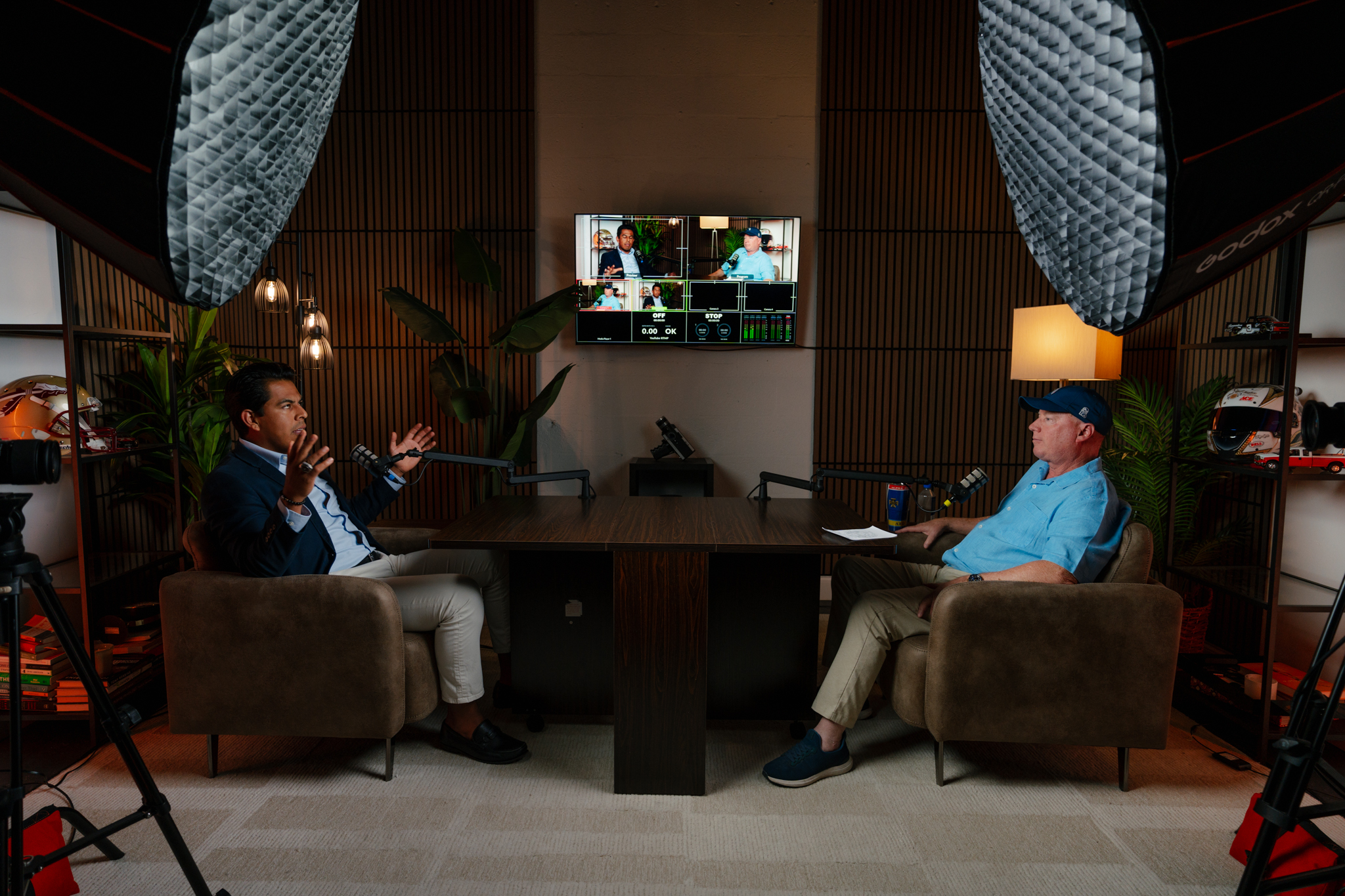
Audio and video quality is judged instantly, and a rough first episode can cost you subscribers who never come back to give episode two a chance. This is where working with a professional podcast studio pays off before you've even published anything: proper lighting, multi-camera video, and clean audio signal a legitimate show rather than a hobby project. If you're searching for a recording studio near me in South Florida, a video podcast studio that handles both the technical setup and the launch strategy will save you from re-recording your pilot episodes twice.
Launch Week: What Actually Moves the Needle
Once your episodes are recorded and your feed is live, launch week is about concentrated distribution, not new content:
- Publish all pre-recorded episodes within the same week rather than spacing them out
- Ask every guest to share their episode the day it goes live, not "sometime this month"
- Repurpose your best moment from each episode into a short vertical clip for social
- Track downloads by episode, not just totals, to see which topics and guests actually pulled an audience
A strong launch week is what convinces podcast directories' algorithms, and your own audience, that this show is going to keep showing up.
Treat Launch Day as the Midpoint, Not the Finish Line
The real test of a podcast launch isn't the first episode, it's whether episode ten still exists. Founders who plan their first month of content, lock in a consistent recording rhythm, and work with a podcast studio West Palm Beach teams already trust for production are the ones still publishing a year later. The founders who wing it are usually the ones whose feed goes quiet after episode three.
If you're a South Florida podcast founder ready to plan a launch that doesn't stall out, get in touch and we'll walk through recording, video, and distribution before you set a launch date.
Related Articles


CLEARVIEW
Studio

