In-Studio vs. Remote Podcast Guests in 2026: Which Recording Setup Wins More Business

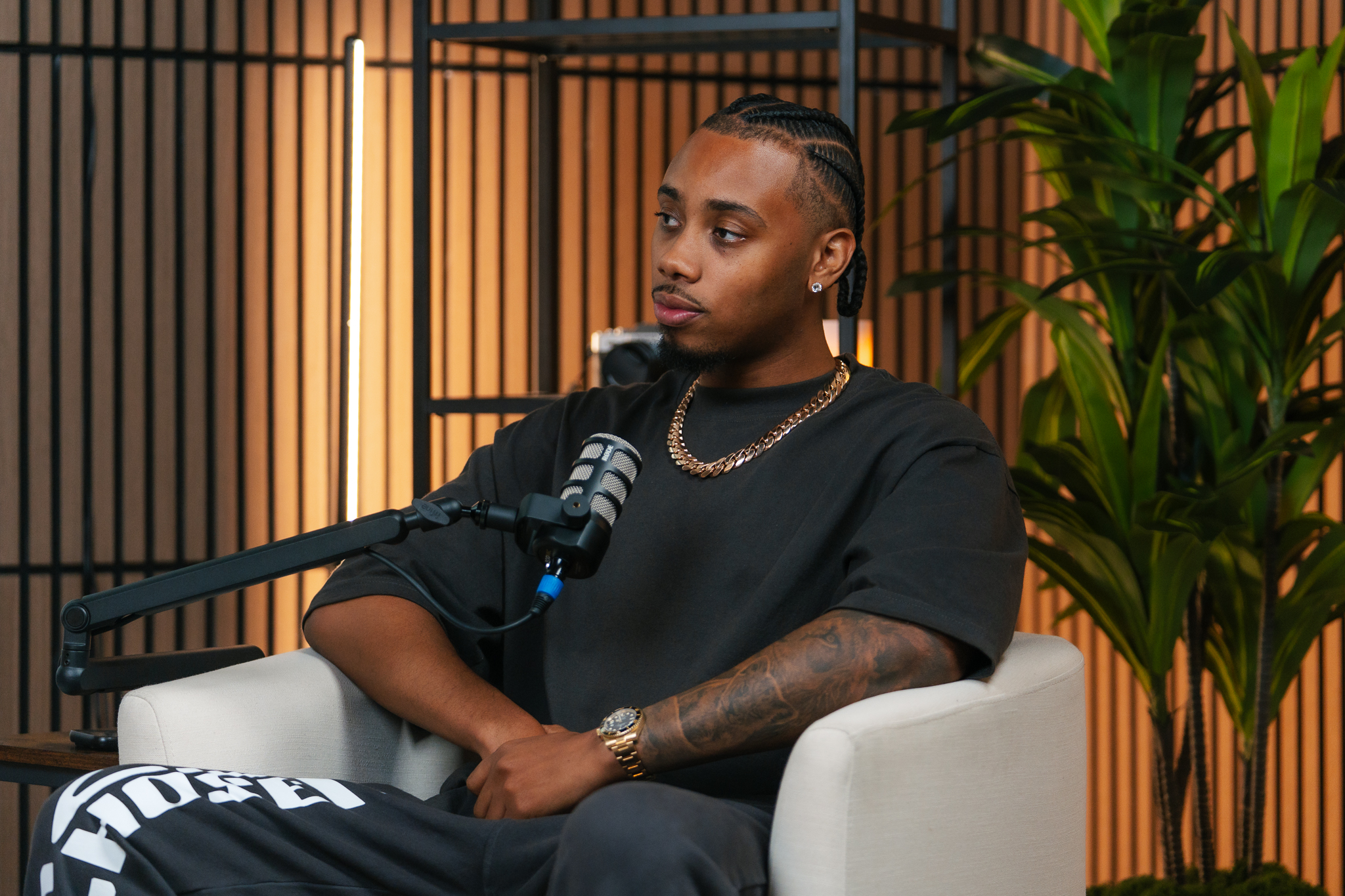
Remote recording made podcasting accessible to everyone, but in 2026 the question business owners keep asking is whether it's still the right default. With video now central to how shows get discovered, the choice between in-studio vs. remote podcast guests affects far more than audio quality. It shapes how your guests perform, how your clips perform, and how many listeners turn into booked calls.
If you're weighing a professional podcast studio in West Palm Beach against a purely remote workflow, here is how the two compare and when a hybrid approach makes the most sense.
Why the Recording Setup Matters More Than It Used To
When podcasts were audio-only, a decent microphone and a stable connection were enough. Today, most business shows are published as video on YouTube and cut into short clips for social platforms. That means your guest is on camera, and the visual and emotional quality of the conversation is part of your brand.
Remote tools compress video, introduce lag, and flatten the natural back-and-forth that makes interviews engaging. Viewers may not know why a conversation feels stiff, but they feel it, and they leave.
What You Gain by Recording Guests In-Studio
Better Conversation, Not Just Better Sound
Sitting across from a host in the same room changes how people talk. Guests make eye contact, react in real time, and loosen up. Interruptions and overlaps that cause chaos over a video call feel natural in person, so the best moments land cleanly in the edit.
Video That Looks Like a Real Production
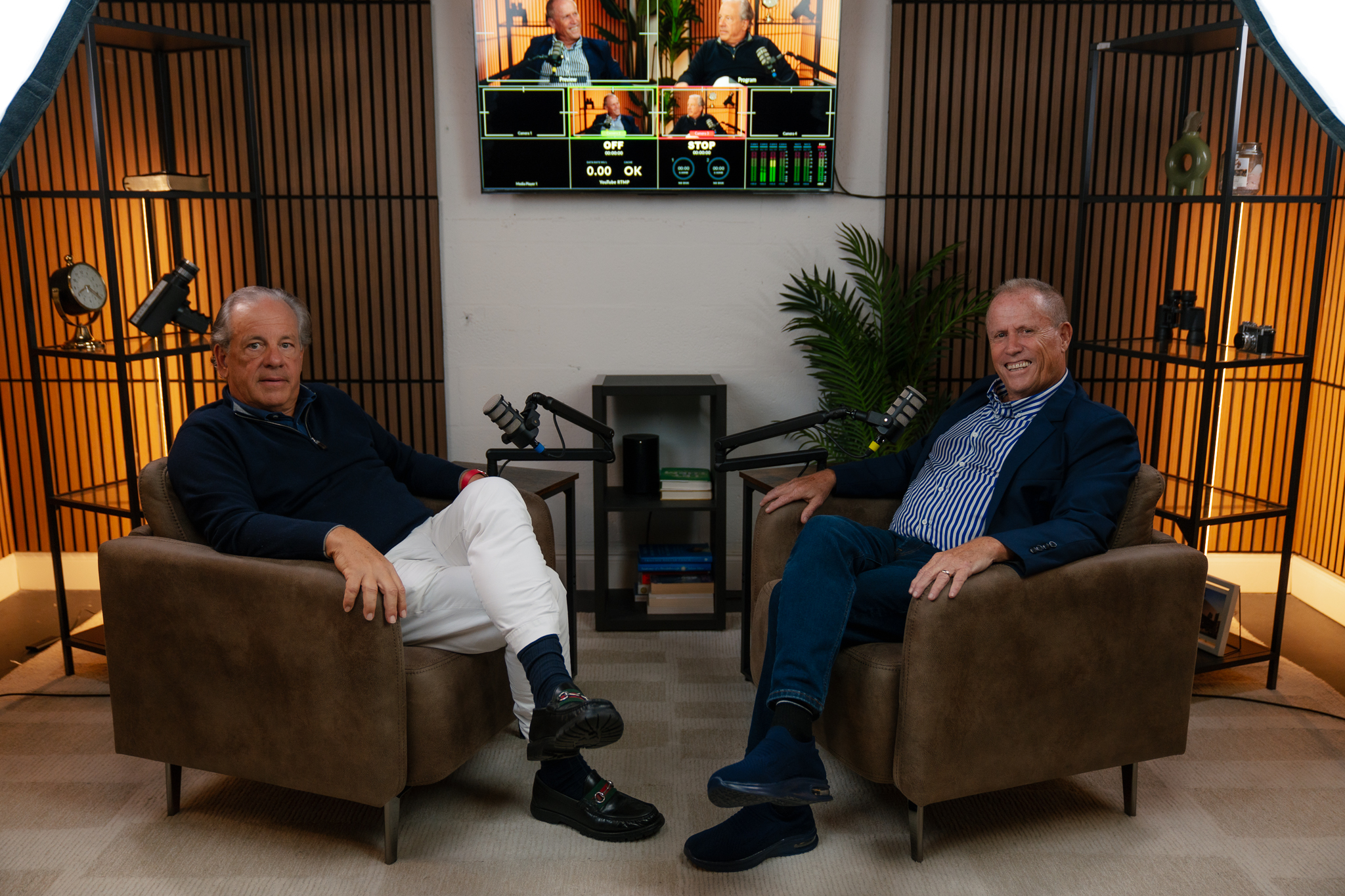
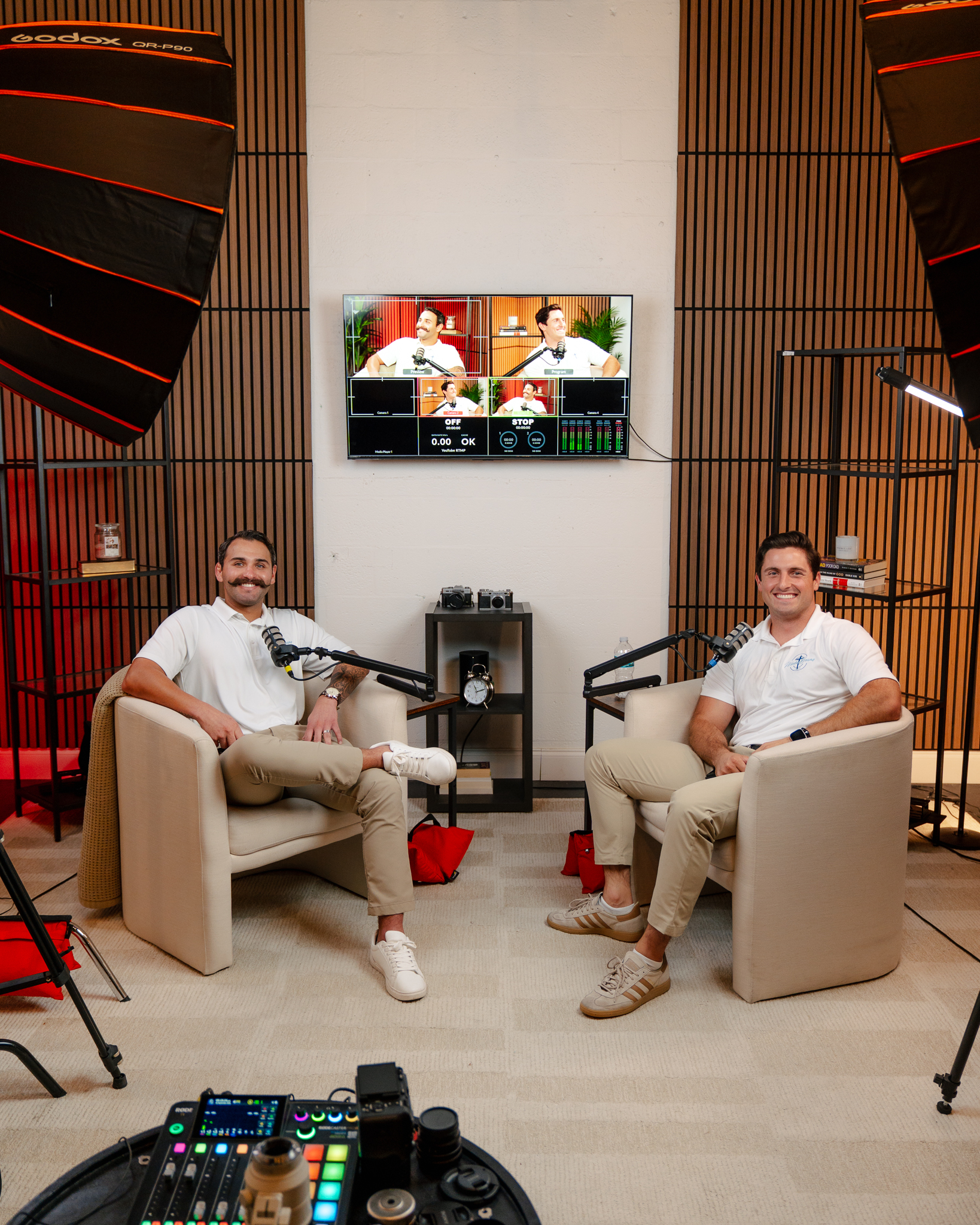
A video podcast studio gives you controlled lighting, multiple camera angles, and clean backgrounds every single time. Each guest looks consistent, which matters when you publish dozens of episodes and want the show to feel like a series rather than a collection of webcams.
Fewer Technical Failures
No dropped connections, no guests recording on laptop speakers, no frozen frames at the best part of the story. A professional podcast studio removes the variables that eat editing time and force reshoots.
Where Remote Recording Still Makes Sense
Remote isn't going away, and it shouldn't. It is the right tool in several situations:
- Out-of-town experts: A guest across the country is worth more than a perfect room they can't reach.
- Quick-turn episodes: Timely topics, news reactions, and short check-ins can be recorded in minutes.
- Early-stage shows: While you validate your format, a lighter workflow keeps costs and commitment low.
The key is to make remote recordings as strong as possible: wired internet, a quality external microphone, a well-lit space, and local recording on the guest's side where available.
The Hybrid Model Most Business Podcasts Are Adopting
The shows that grow fastest in 2026 rarely pick one approach exclusively. A practical hybrid looks like this:
- Record your anchor episodes and highest-value guests in person at a recording studio near you.
- Batch local guests into a single studio day so the production quality stays consistent.
- Use remote sessions for out-of-market guests and short supplemental episodes.
- Keep the host in the studio even when the guest is remote, so at least half the frame stays polished.
For a South Florida podcast, this works especially well. Local executives, attorneys, advisors, and healthcare professionals are often a short drive away, which makes in-studio guest days easy to schedule.
How to Decide for Your Show
Ask three questions. First, who is the guest, and is their on-camera presence part of the value? Second, will this episode be cut into clips that represent your brand publicly? Third, is the guest's time scarce enough that a smooth, professional session reflects well on you?
If the answer to any of these is yes, in-person recording usually pays for itself through better clips, stronger guest relationships, and a show that looks as credible as the business behind it.
Make the Guest Experience Part of Your Pitch
Guests talk about how they were treated. A comfortable, well-run session in a polished space makes people more likely to share the episode with their own audience, return for a second appearance, and refer other guests. That word of mouth is one of the most effective growth channels a business podcast has.
If you're planning your next batch of episodes and want to see how an in-person session compares to your current setup, the team at Clearview Studio would be glad to walk you through it. Get in touch to plan your next recording session or tour our podcast studio in West Palm Beach.
Related Articles


CLEARVIEW
Studio

