Podcast Personal Branding in 2026: Why Listeners Follow the Host, Not the Show

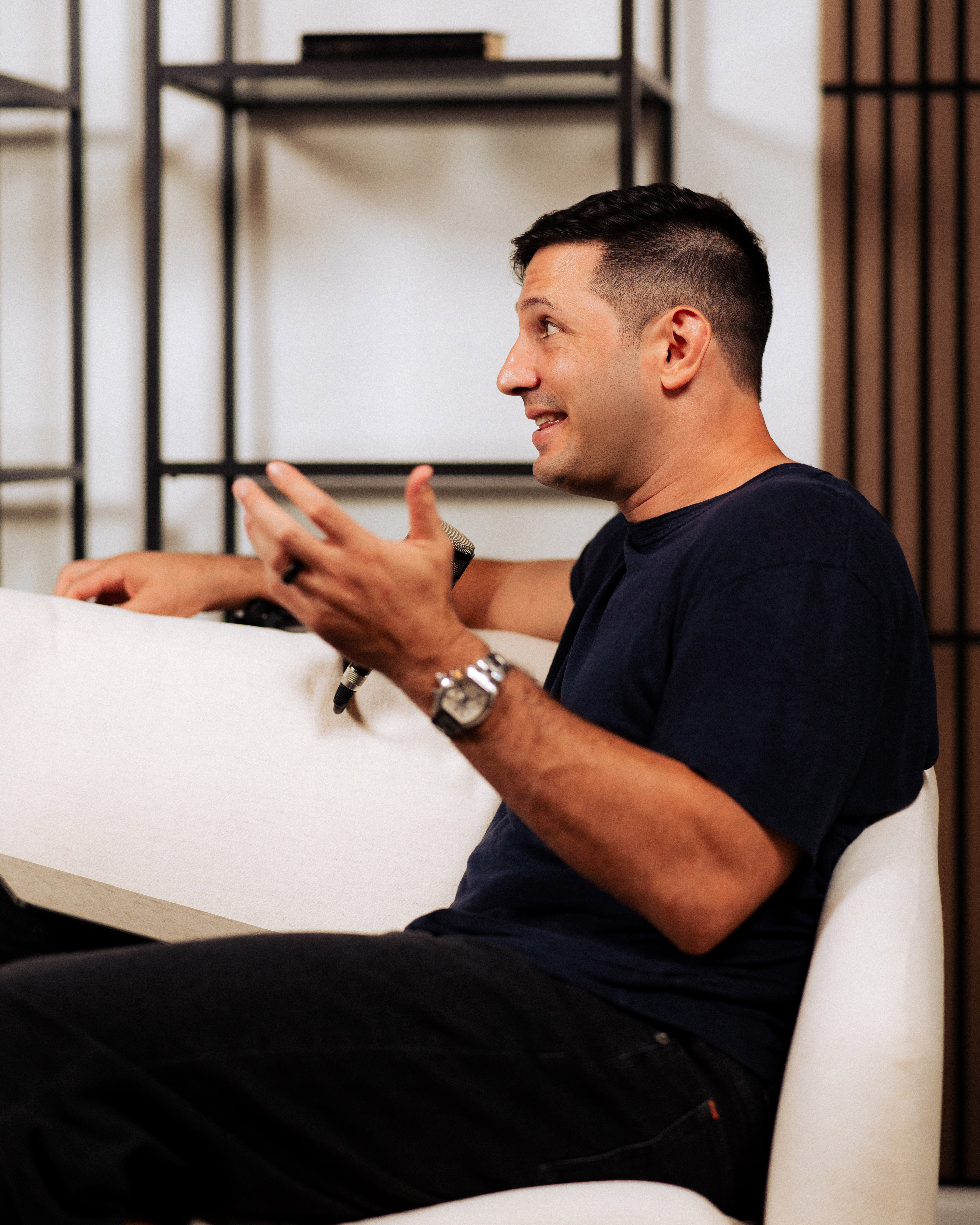
In 2026, the fastest-growing podcasts aren't winning because of clever episode titles — they're winning because of podcast personal branding. Listeners increasingly subscribe to a voice and a point of view before they subscribe to a topic, which means the host has become the single biggest lever for turning a business podcast into a lead-generation engine. If you're weighing a new show, or wondering why your current one isn't converting listeners into sales calls, the host — not the format — is usually the gap.
Why Personal Branding Beats Topic-First Podcasting in 2026
Recent listener research shows more than half of podcast audiences say they feel closer to their favorite hosts than to other media personalities, and a majority now trust podcast hosts more than social media influencers. That trust doesn't attach to a show name on an app icon — it attaches to a person. Business owners who treat their podcast as a personality-driven platform, rather than a branded show with rotating value props, are seeing longer average listen times and more direct replies from prospects.
This is a meaningful shift from just a few years ago, when podcast marketing leaned on polished, corporate-sounding scripts. In 2026, audiences reward hosts who sound unfiltered and specific, because that's what makes a stranger feel like they already know you before a discovery call ever happens.
The Owned Audience Shift: From Borrowed Reach to Direct Access
For years, professionals built visibility by borrowing other people's audiences — guest posts, panel appearances, other people's newsletters. Podcasting flips that model. Every episode builds an audience the host owns outright, with no algorithm standing between the host and the listener's inbox, calendar, or contact form.
A few reasons this matters more now than it did even two years ago:
- Session length is unmatched. Podcast listeners commonly stay engaged for 30 minutes or longer — far more attention than a scrolling social feed ever grants a brand.
- Discovery is shifting to search. Roughly a third of listeners now find new shows through search rather than app browsing, which rewards hosts who are consistent and specific about who they help.
- Competition is intensifying. With well over five million active podcasts, a generic show blends in; a recognizable host does not.
Owned Audiences Convert Better Than Borrowed Ones
When a listener has spent hours with a host over multiple episodes, a call-to-action to "book a consult" doesn't feel like an ad — it feels like the obvious next step in a relationship that already exists. That's the entire mechanism behind using a podcast to fill a sales calendar.
How a Professional Podcast Studio Reinforces Host Credibility
Personal brand and production quality aren't separate conversations. A host can have great instincts and useful expertise, but shaky audio, inconsistent lighting, or a cluttered home background quietly undercuts the authority that personal branding is supposed to build. This is where working with a professional podcast studio pays for itself: clean sound and a real set signal, before a single word is spoken, that this person is worth taking seriously.
For South Florida entrepreneurs typing "recording studio near me" into Google, the decision isn't just about convenience — it's about whether the finished episode looks and sounds like it belongs to a credible, established brand. At Clearview Studio, a podcast studio West Palm Beach business owners use specifically to sharpen their on-camera presence, every session is built around making the host — not just the show — look like the authority in the room.
Video Is Non-Negotiable for Host-Led Brands
Audio alone can't carry a personal brand the way video can. A video podcast studio setup lets viewers read tone, body language, and confidence — all the nonverbal signals that make a host memorable and shareable as short-form clips across LinkedIn, YouTube, and Instagram. As a South Florida podcast destination, Clearview Studio pairs multi-camera video with broadcast-quality audio so hosts get a library of clip-ready footage from every single recording session.
Turning Host Trust Into Sales Calls and Consults
Building a personal brand through podcasting only pays off if the show is structured to convert that trust into action. That means naming the specific problem the host solves in every episode intro, giving listeners a clear next step (not just "thanks for listening"), and making sure the production quality matches the level of client the host wants to attract.
If you're ready to build a podcast around your expertise instead of a generic topic list, get in touch with Clearview Studio to talk through what a host-first show could look like for your business.
Related Articles



CLEARVIEW
Studio

