Batch Recording Your Podcast: The 2026 Strategy for Staying Consistent Without Burning Out

Batch Recording Your Podcast: The 2026 Strategy for Staying Consistent Without Burning Out
The biggest threat to a podcast isn't bad audio or a slow-growing audience — it's inconsistency. Shows that publish on a reliable schedule build trust with listeners and algorithms alike, but juggling recording, editing, and a day job makes weekly output hard to sustain. That's why more creators are turning to batch recording, and why a professional podcast studio is becoming the fastest way to make it work.
What Batch Recording Actually Means
Batch recording is simple: instead of scheduling one episode at a time, you record multiple episodes in a single sitting — often three, four, or even six in one day. You show up once, hair and lighting dialed in, guests lined up back-to-back, and you leave with a month or more of content ready for post-production.
For business owners, agencies, and personal brands running a podcast alongside a full workload, this isn't just a convenience. It's the difference between a show that quietly dies after episode twelve and one that's still publishing two years later.
Why 2026 Is Pushing Creators Toward Batching
A few shifts in the podcast landscape are making batch recording more valuable than ever:
- Video is now expected. With YouTube established as the top podcast discovery platform, every episode needs a clean video version — which means more setup time per session if you're not batching.
- Distribution is multi-platform. Audio feeds, YouTube, and short-form clips for social all need to come from the same source material, so producing more at once means more content to repurpose across channels.
- Guest scheduling is the real bottleneck. Coordinating calendars is often harder than the recording itself. Batching guest interviews into a single studio day cuts scheduling friction dramatically.
Why a Studio Makes Batching Realistic
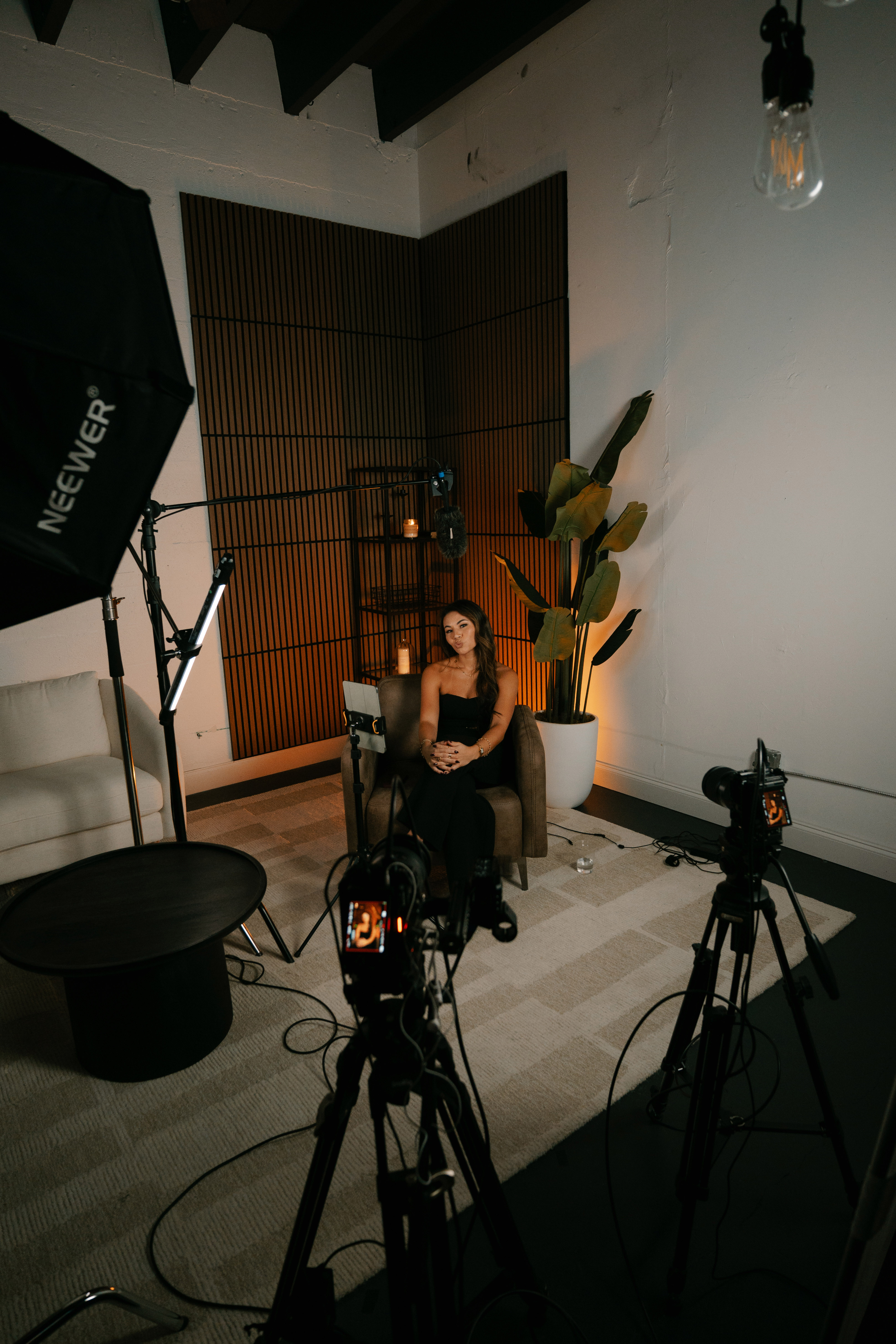
Batch recording at home usually falls apart by episode three. Lighting drifts as the sun moves, room tone changes, energy dips, and there's no one resetting the space between guests. A video podcast studio solves all of that by design: consistent lighting and acoustics for every episode, multi-camera setups that don't need to be rebuilt between recordings, and a producer managing transitions so you can stay focused on the conversation.
This is where working with a dedicated podcast studio West Palm Beach creators already trust makes a measurable difference. Instead of losing an afternoon to gear troubleshooting, you walk in, record four or five episodes back-to-back, and walk out with a quarter's worth of content and zero editing headaches to manage yourself.
How to Plan a Batch Recording Day
If you're searching for a recording studio near me to try this approach, a well-run session typically follows a simple structure:
- Pre-plan every episode outline before you arrive, so you're not writing show notes between takes.
- Group guests by energy and topic — save higher-energy interviews for when you're fresh, and cluster similar themes so you're not mentally switching gears constantly.
- Build in short breaks every two episodes to reset your voice and avoid on-mic fatigue.
- Bring wardrobe changes if episodes will publish weeks apart, so back-to-back recordings don't look identical on video.
The South Florida Advantage
For hosts and businesses running a South Florida podcast, batching at a professional facility also solves a logistics problem unique to growing markets: studio time and crew availability get booked up fast as more local brands add podcasting to their marketing mix. Locking in a recurring batch day — monthly or quarterly — keeps your show consistent and keeps your slot on the calendar before it fills up.
The Bottom Line
Consistency is what separates podcasts that build real audiences from the ones that stall out. Batch recording removes the biggest obstacle to consistency — your own calendar — but it only works if the production side can keep pace. That's exactly what a professional studio is built for.
Ready to plan a batch recording day that actually gets you months ahead? Book a session at Clearview Studio and let's map out a schedule that fits your show.
Related Articles




CLEARVIEW
Studio

